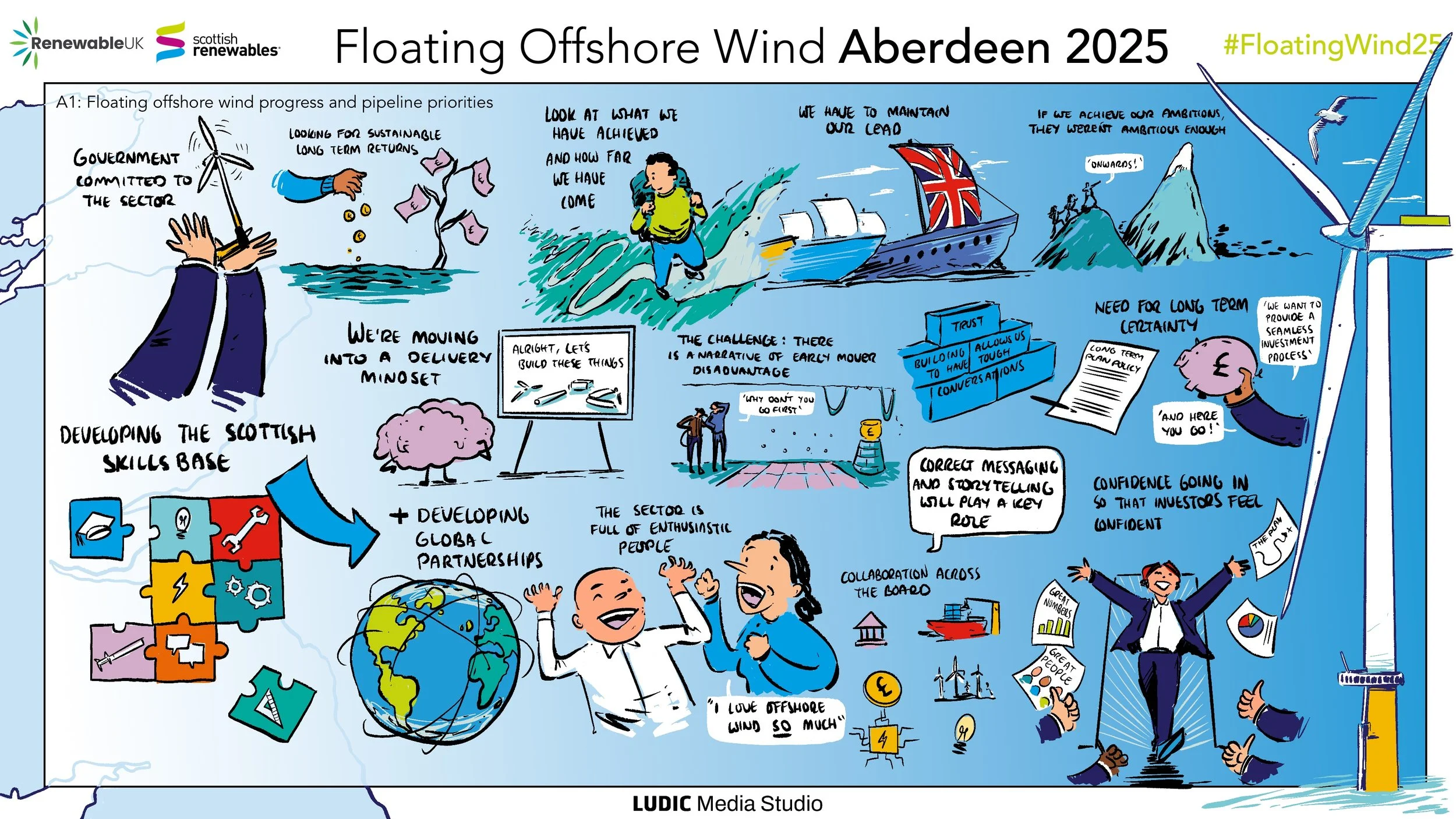
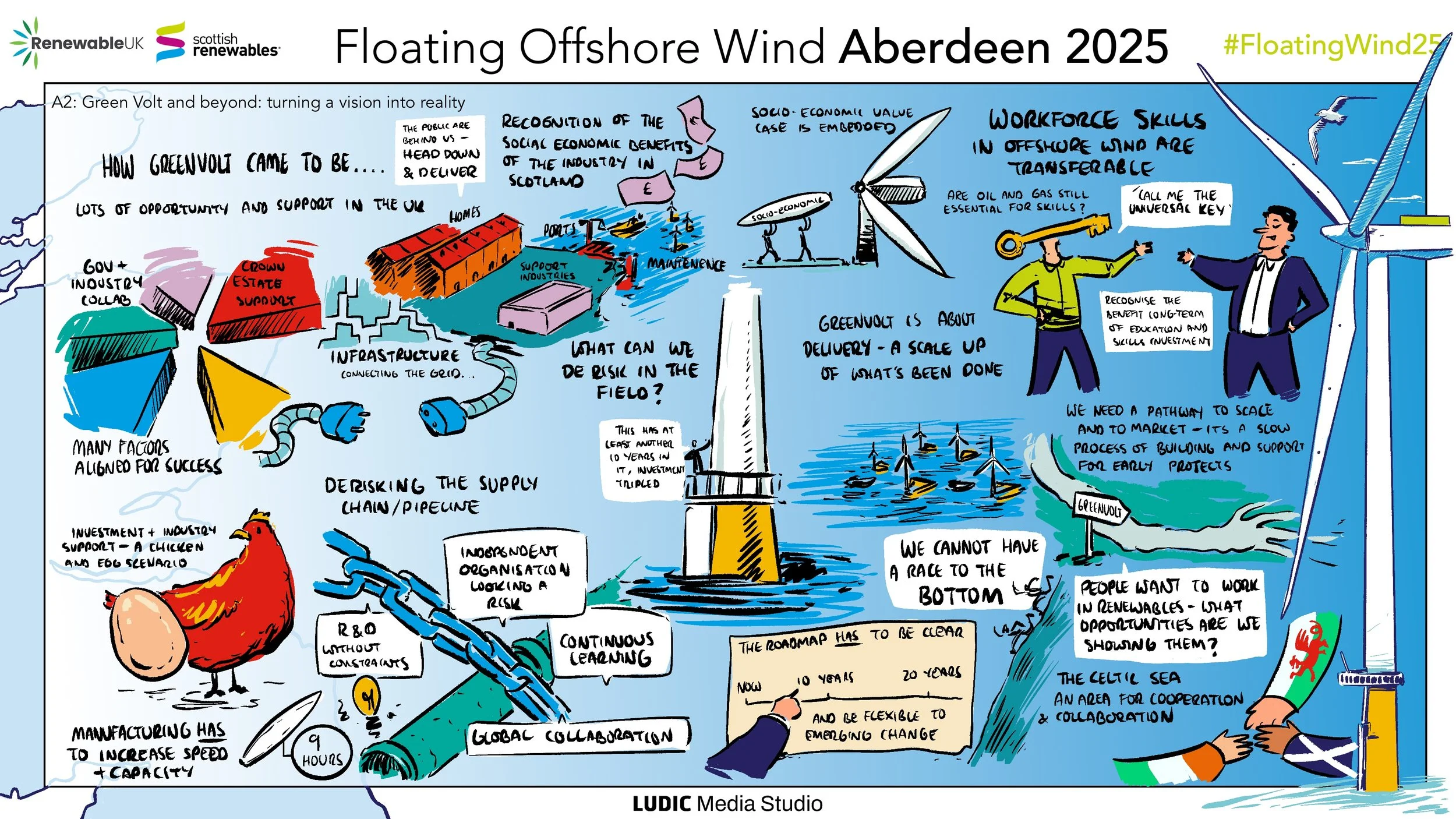
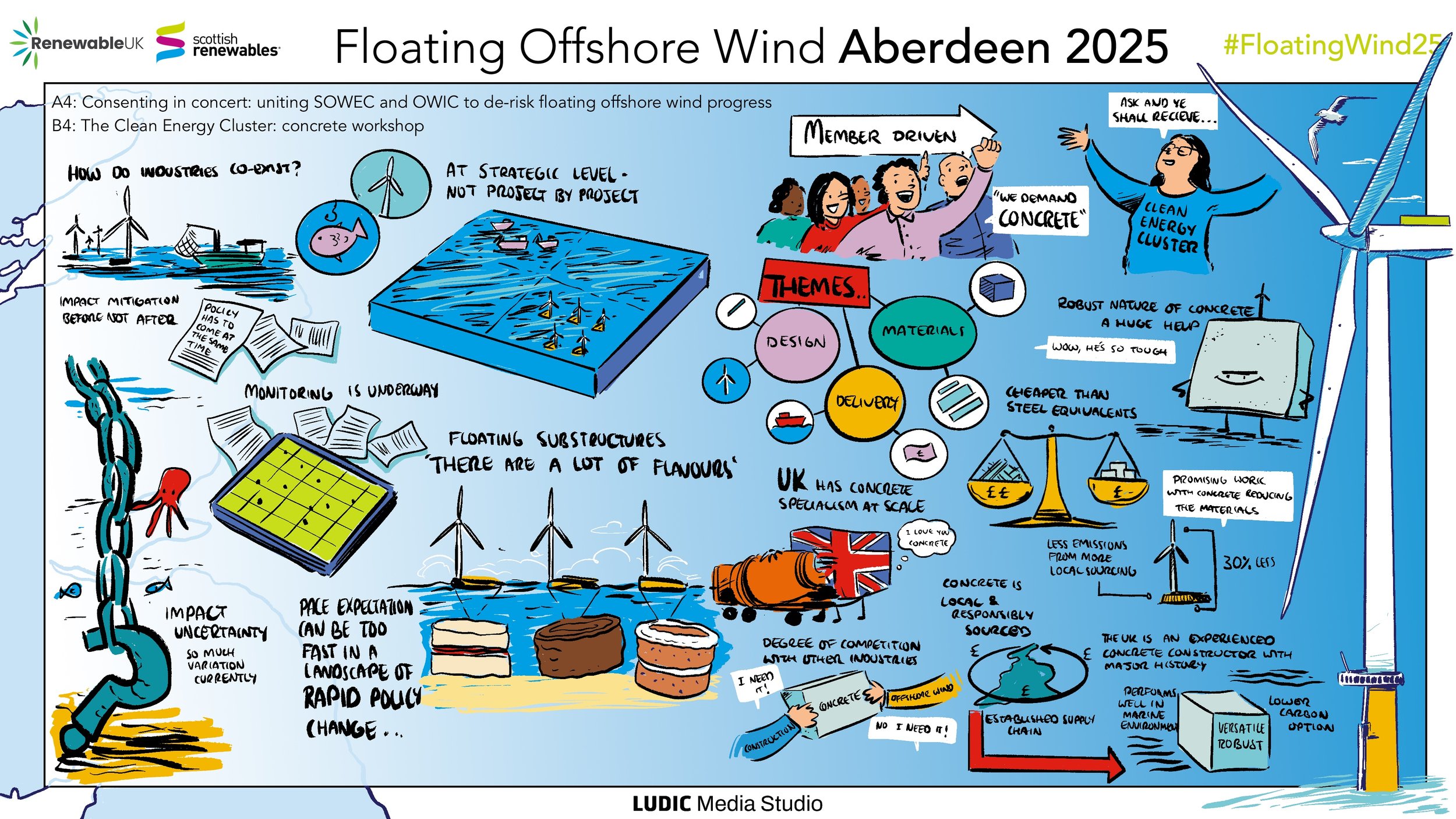
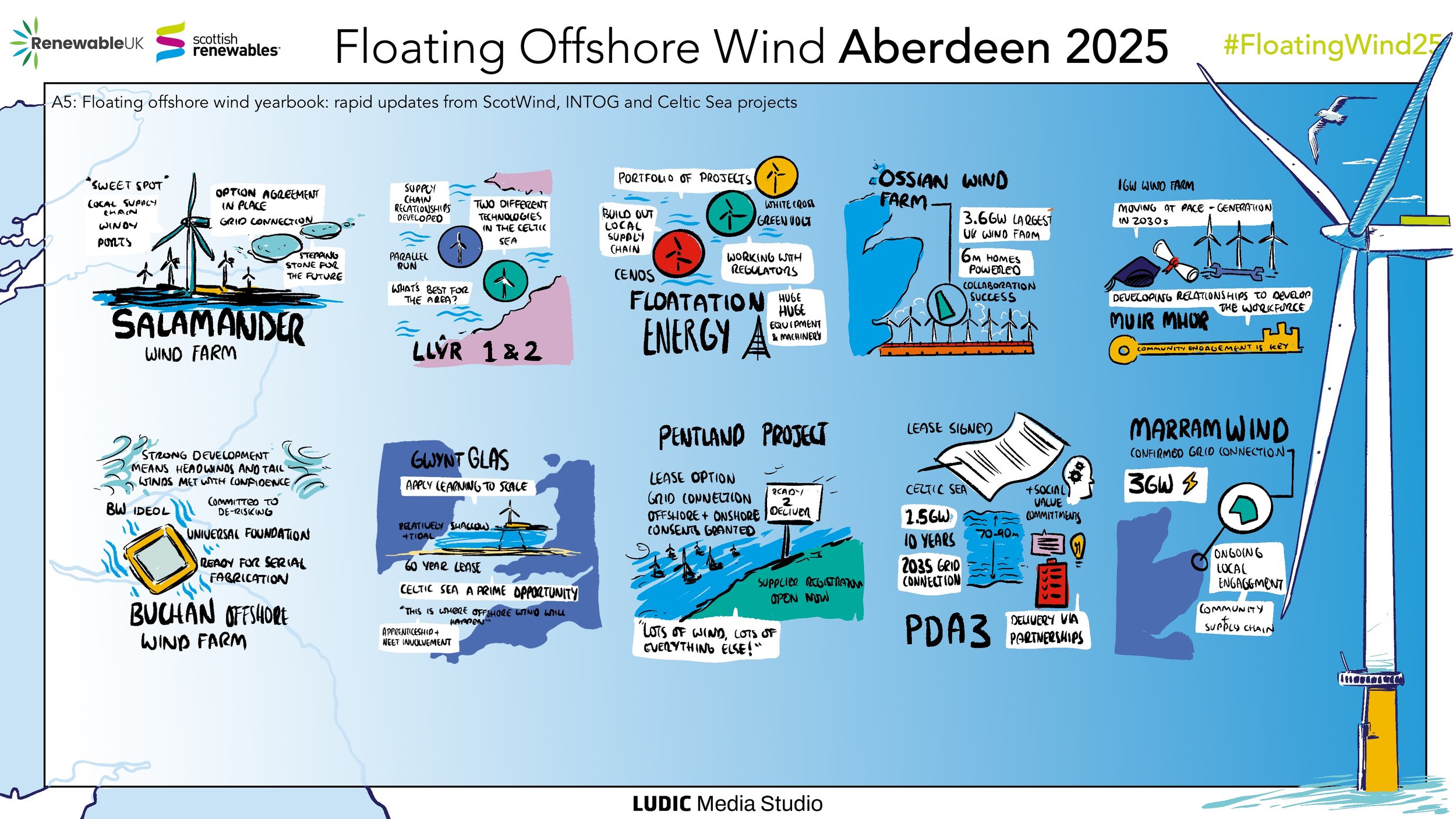
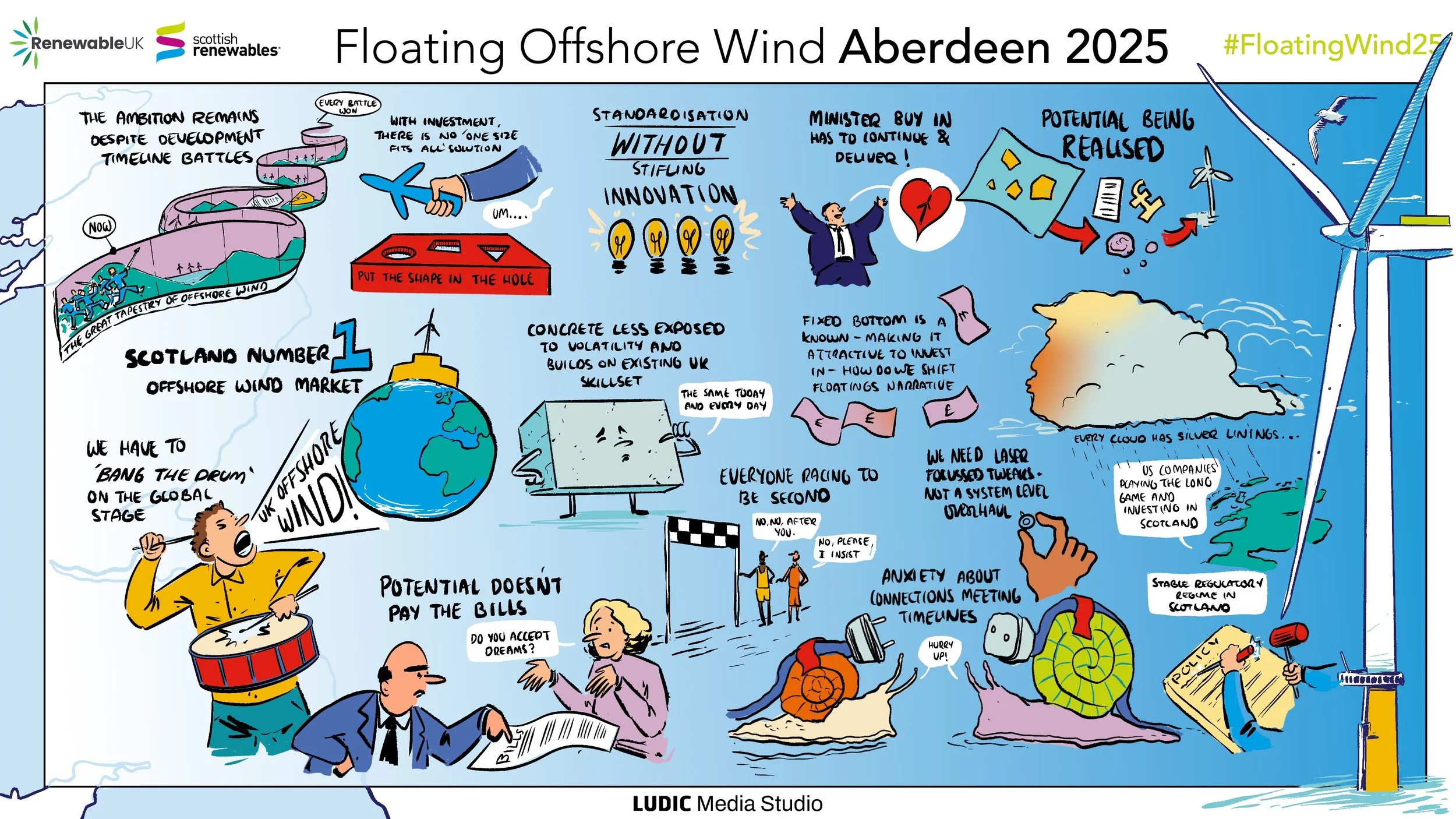
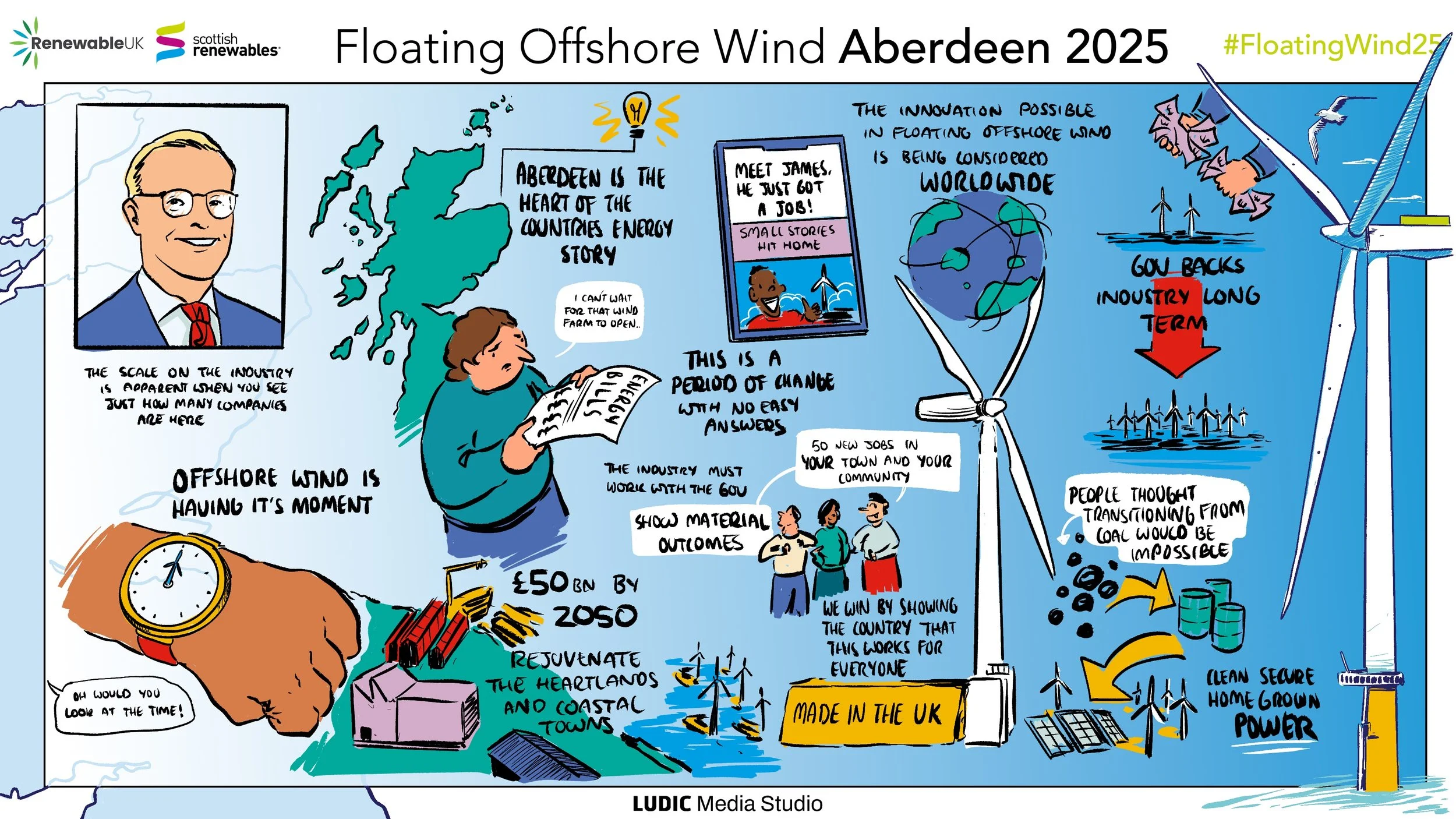
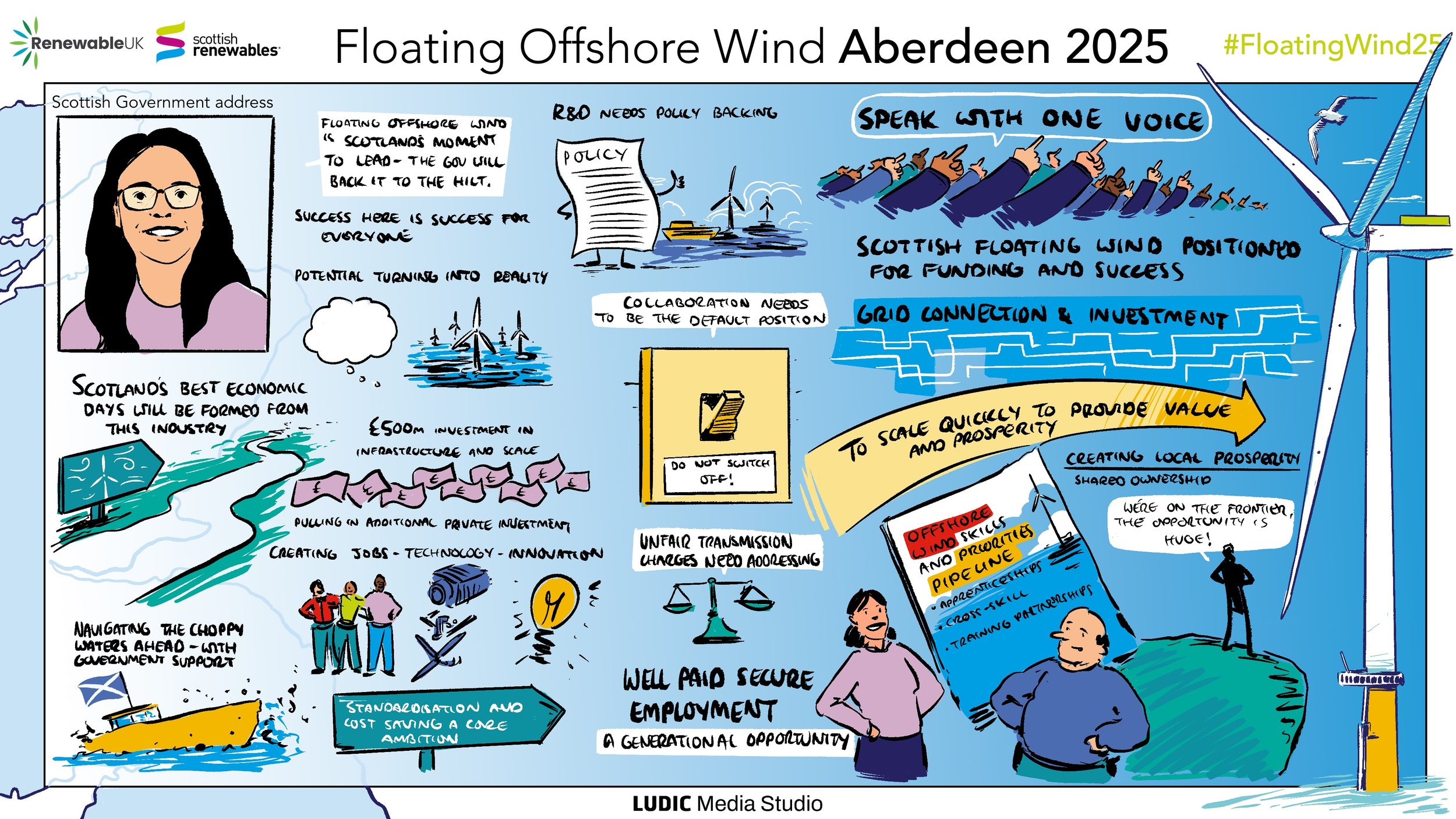
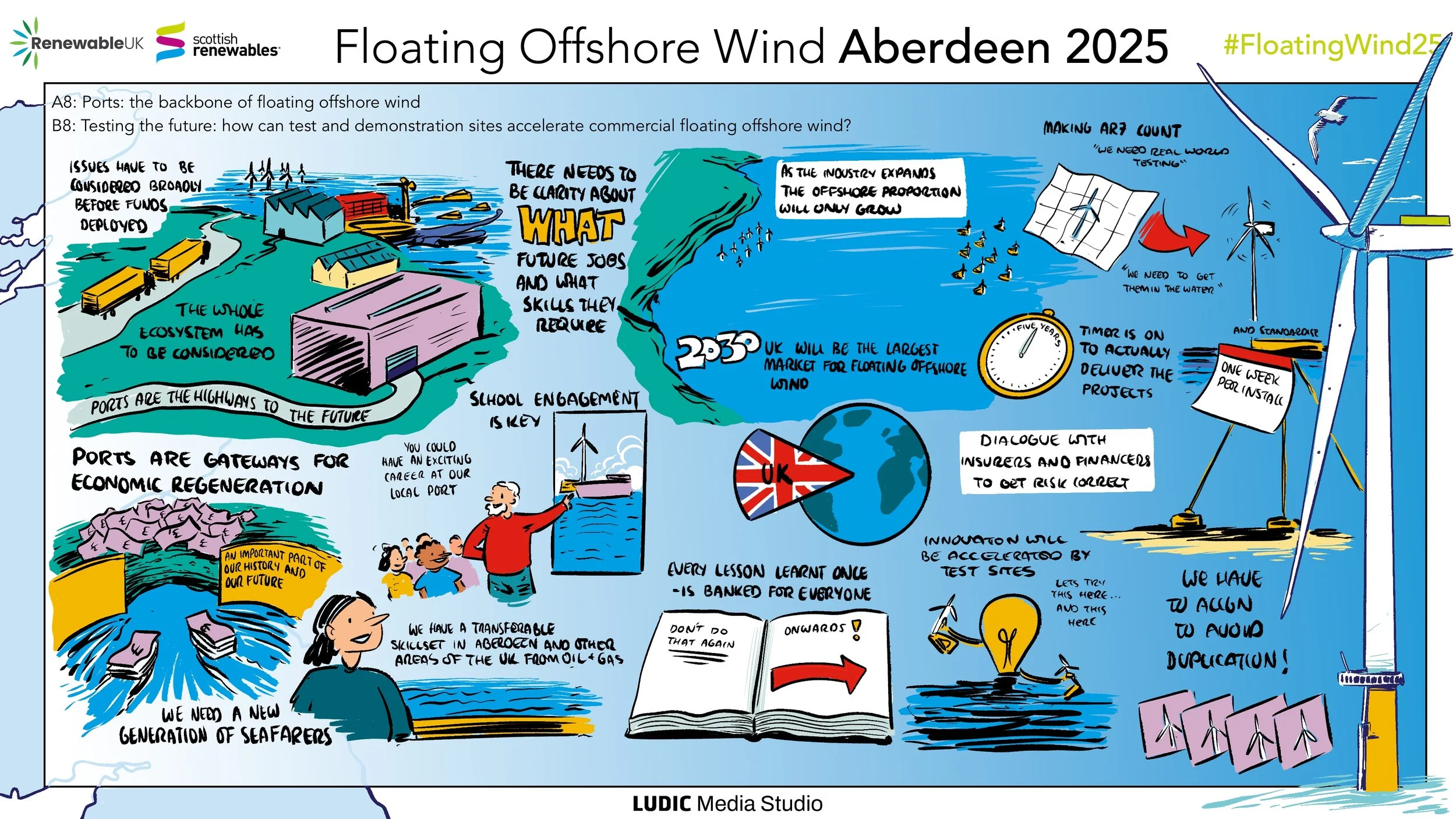
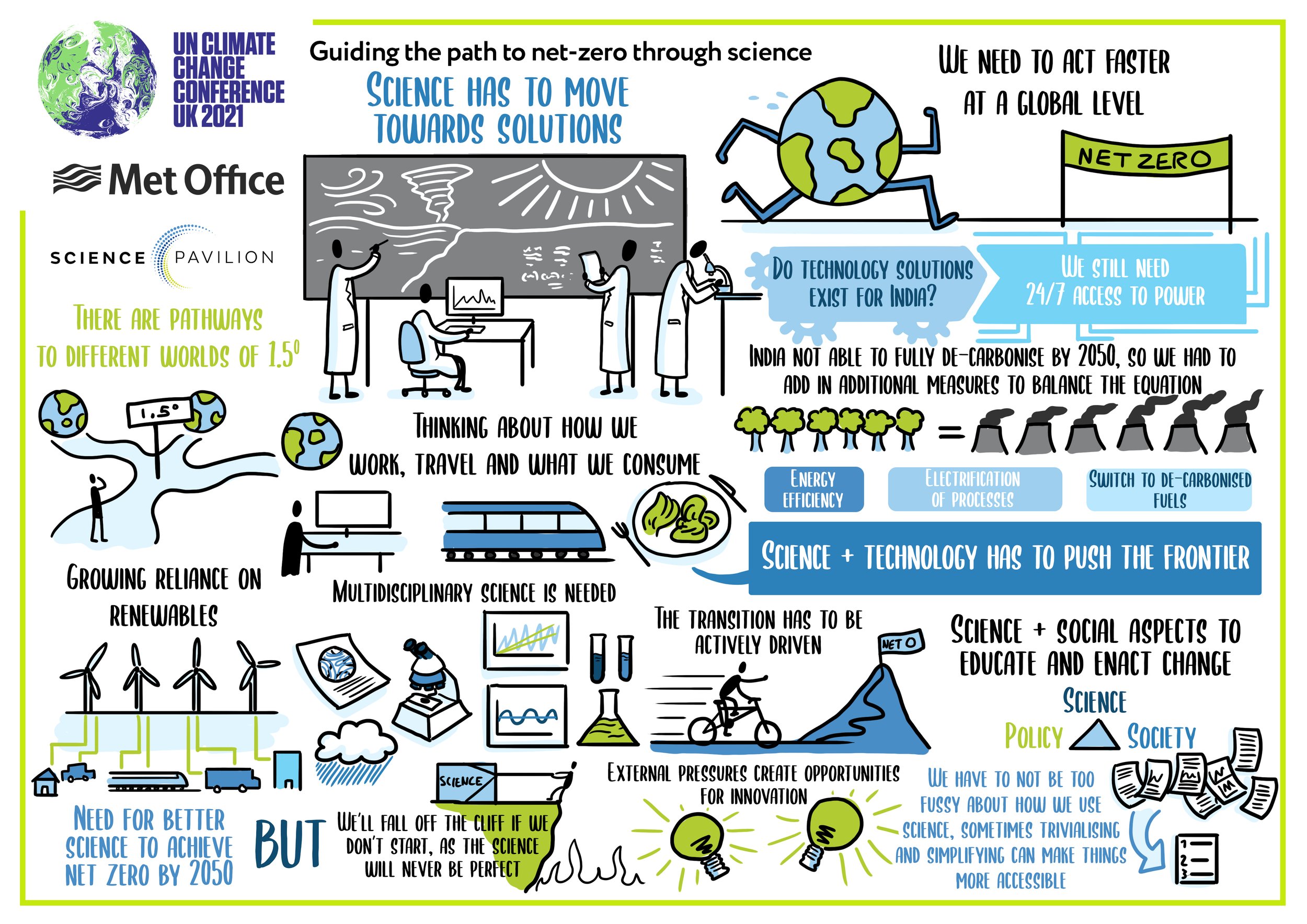
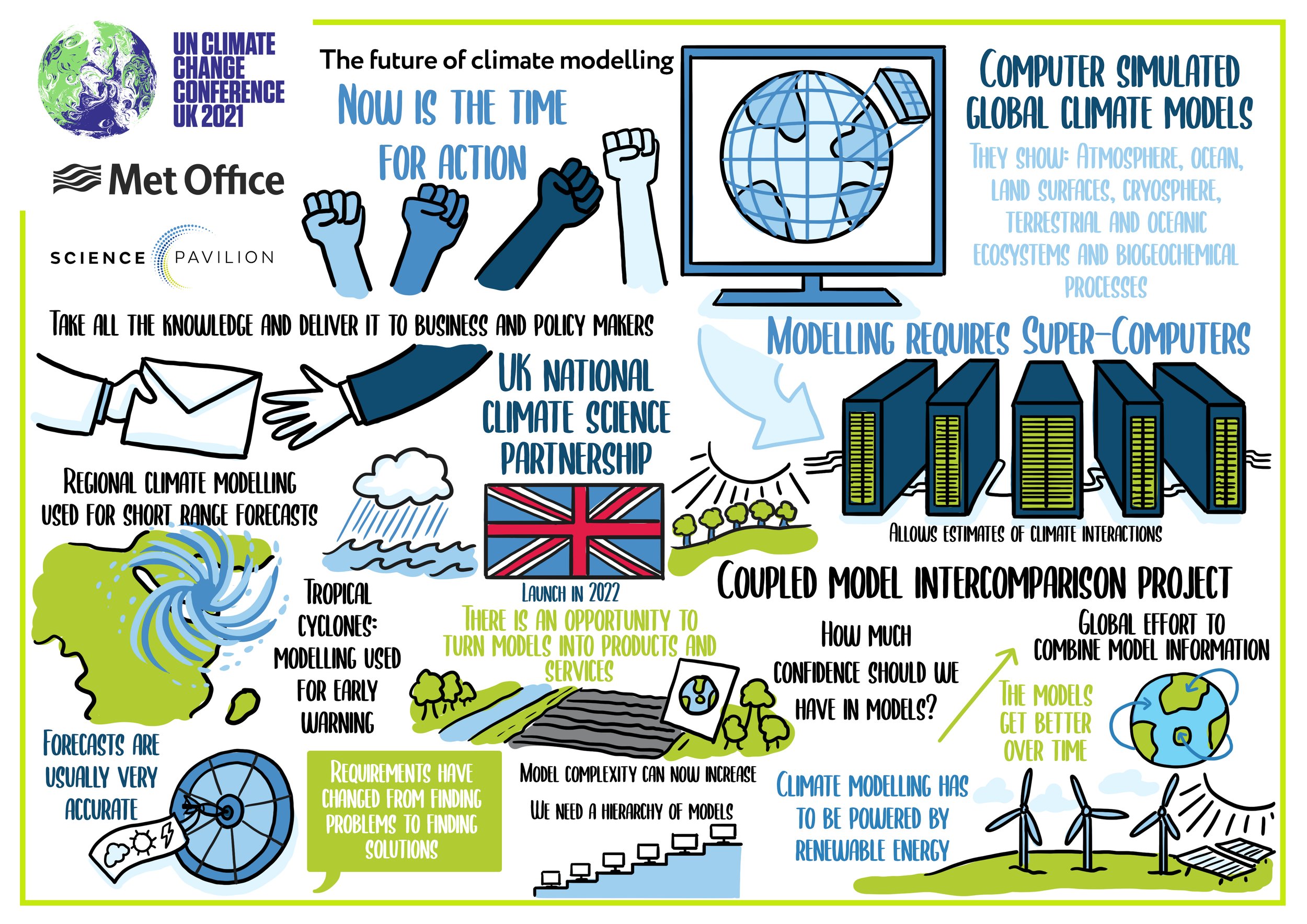
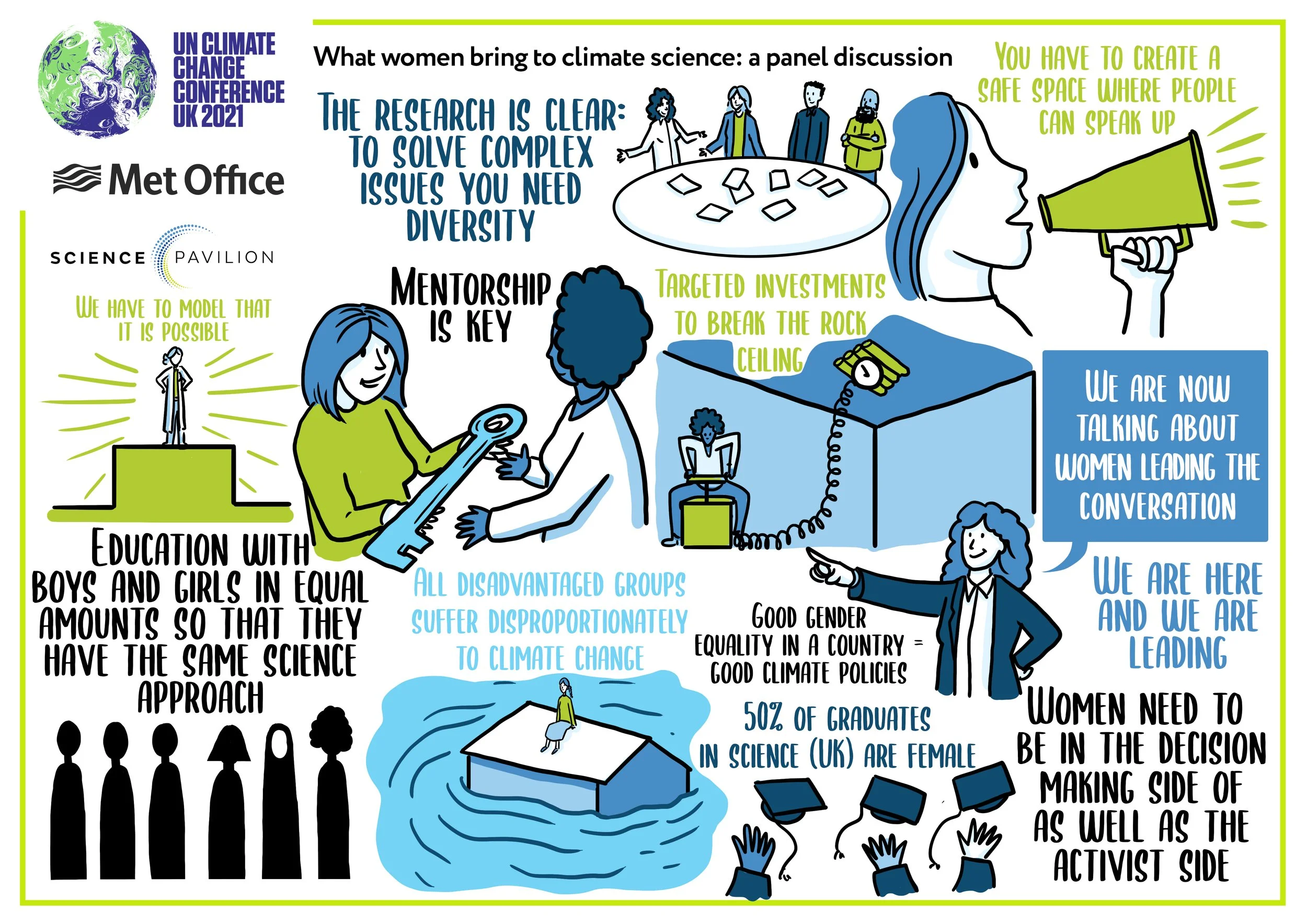
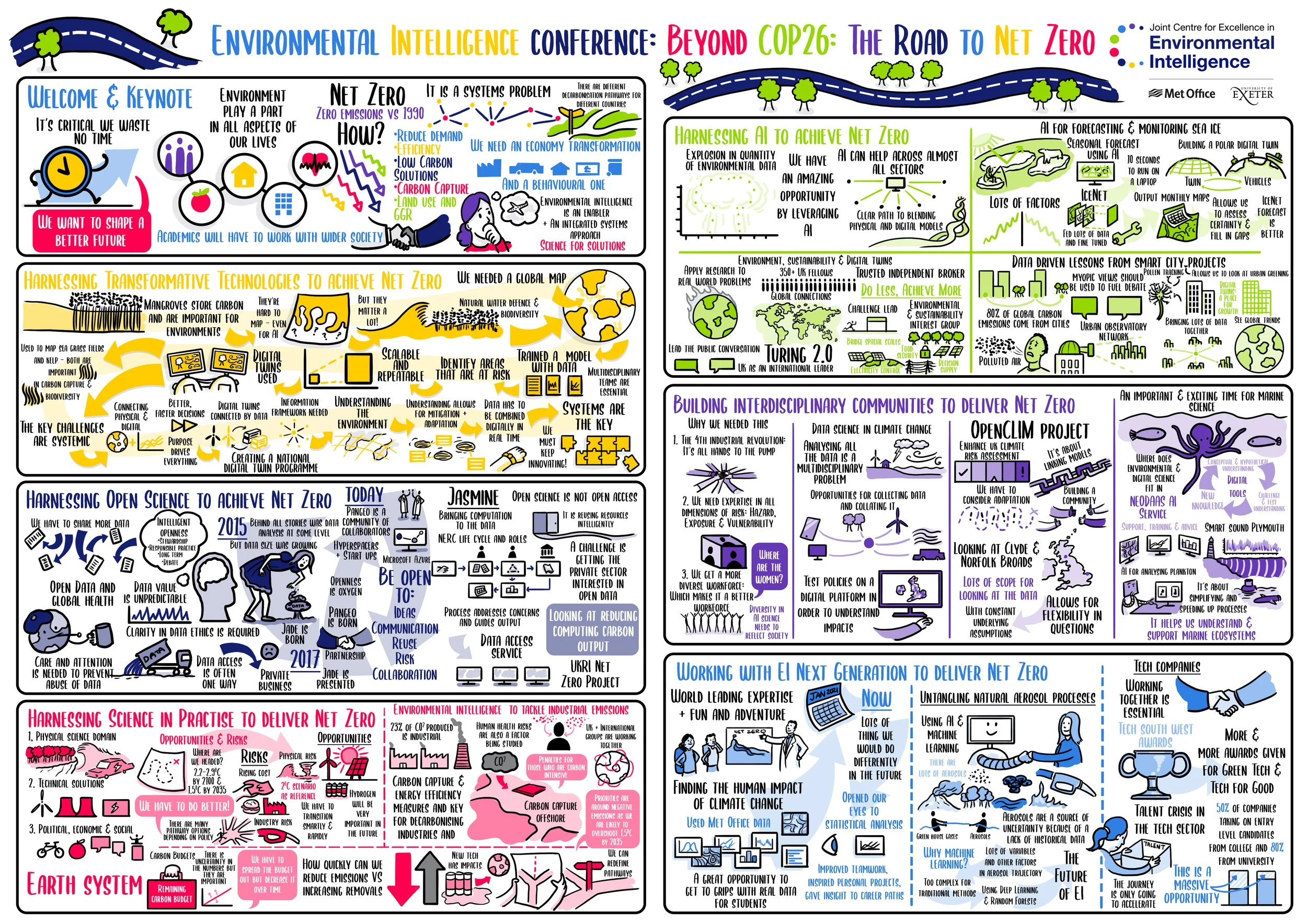
Live Scribing in Climate and Environmental Work
Making Complexity Visible in the Fight for a Sustainable Future
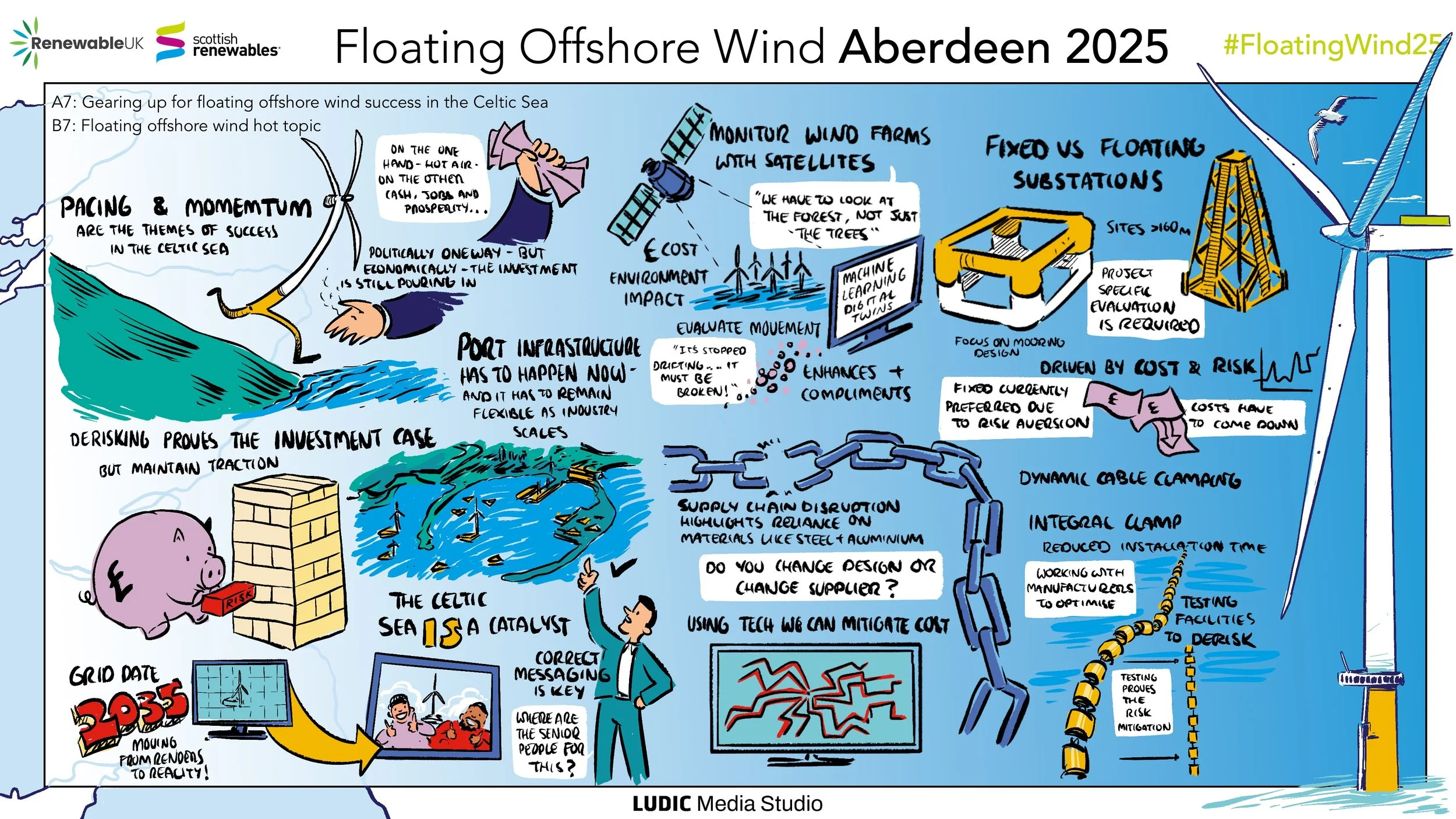
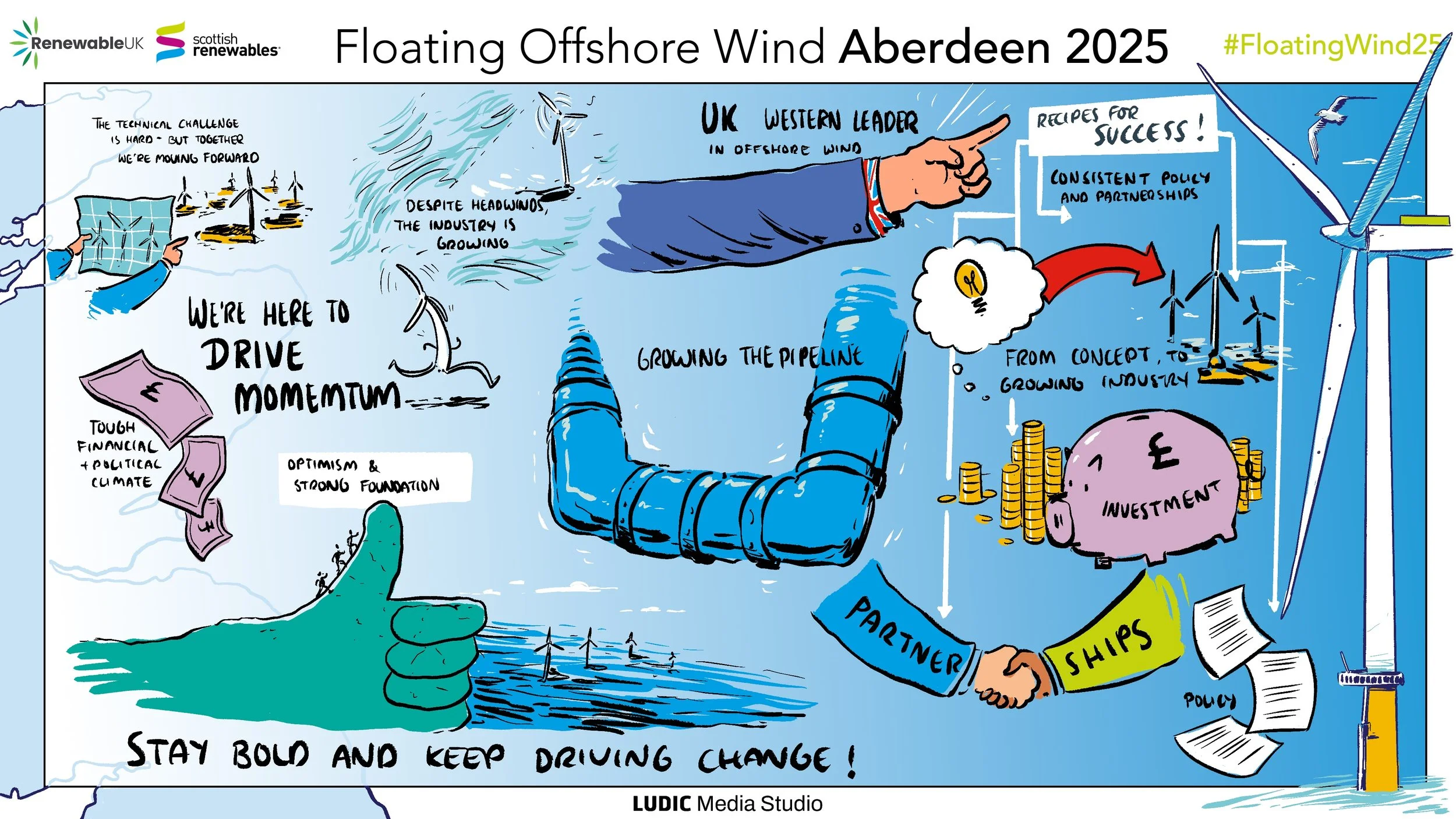
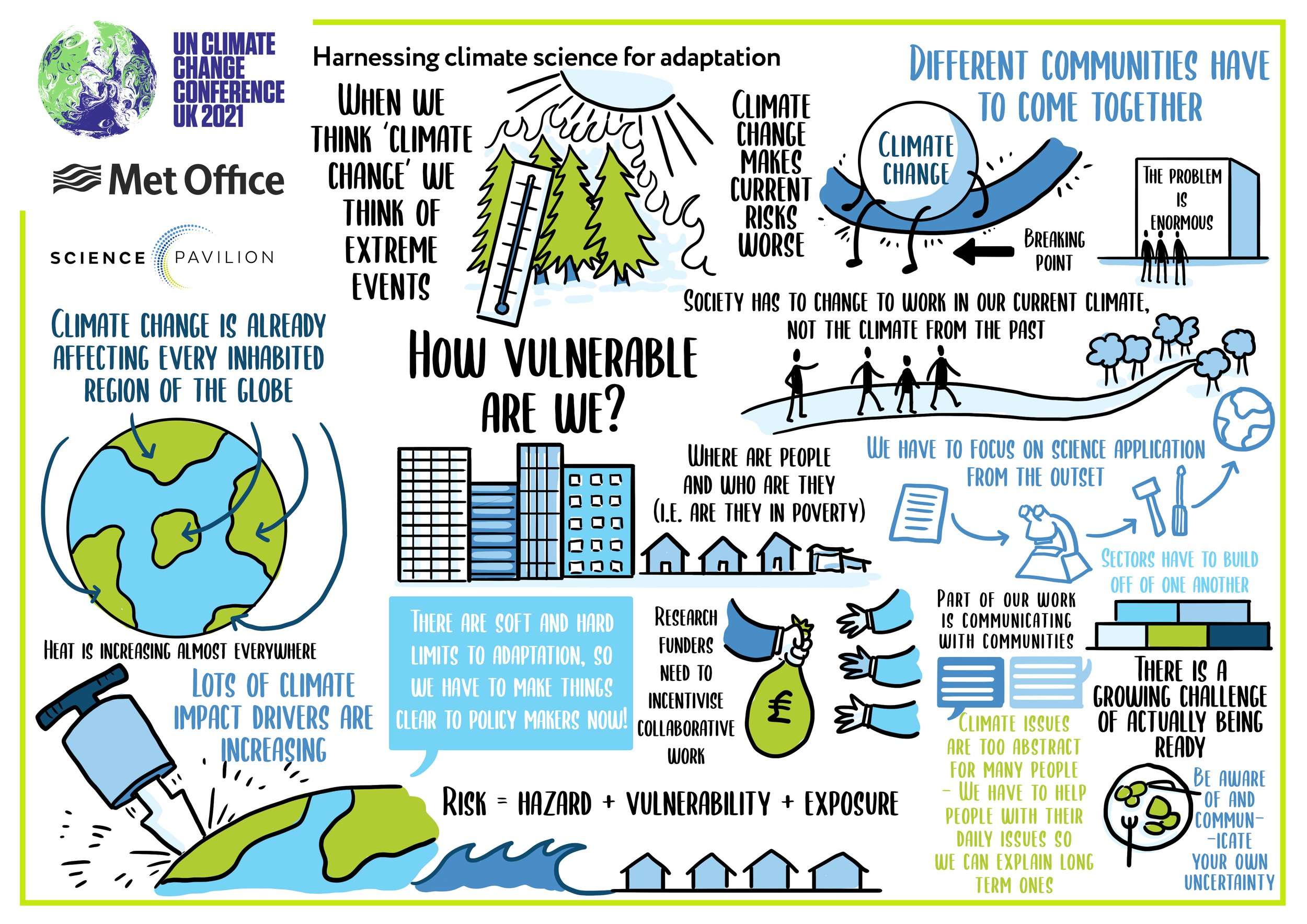
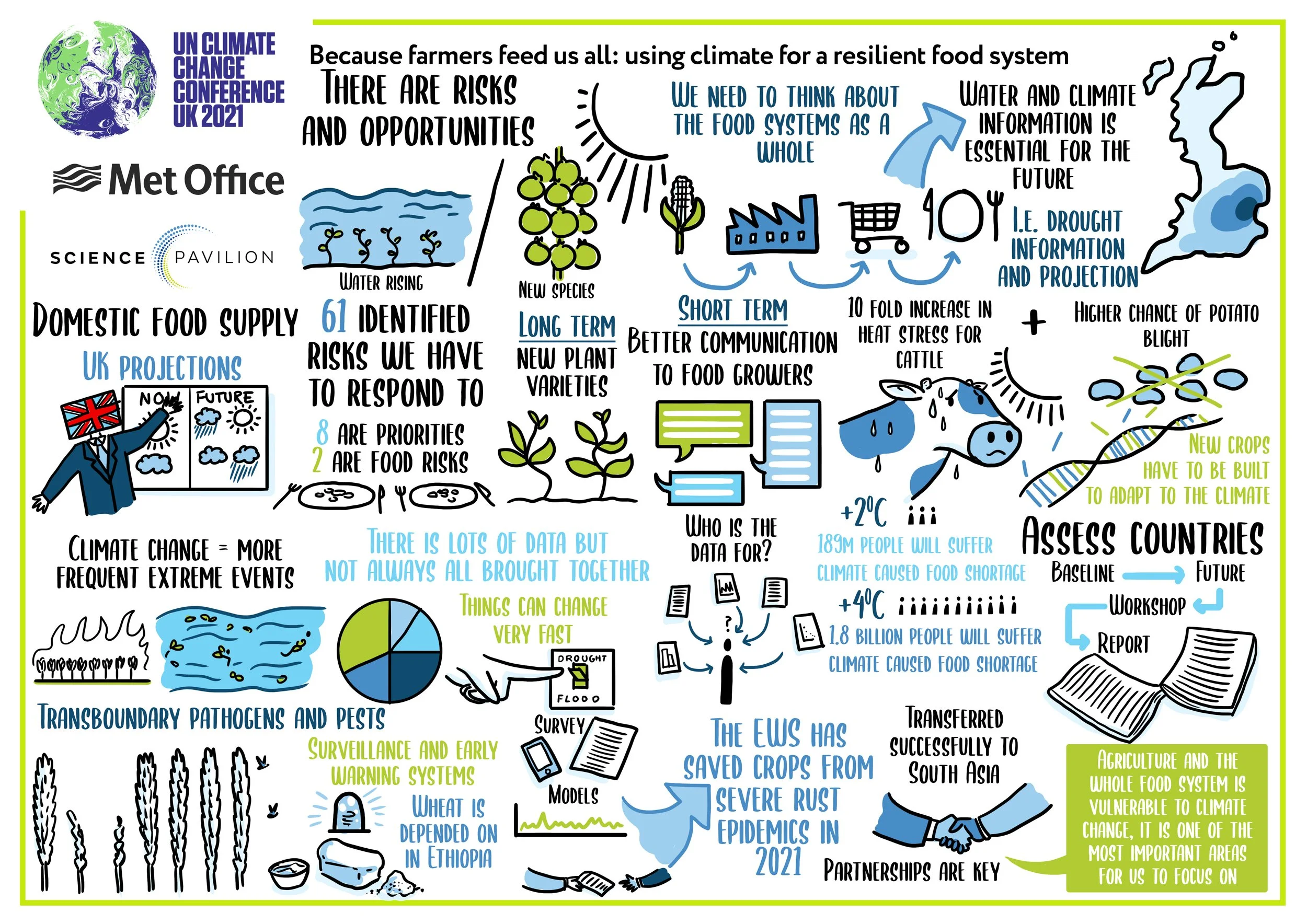
Climate change conversations are complex, data heavy, and emotionally charged. Live scribing helps scientists, policy makers, community groups, NGOs, and innovators communicate more clearly by transforming discussions into accessible visual summaries in real time.
Whether used in strategy meetings, public consultations, research events, or climate education, live scribing supports understanding, engagement, and collective action.

Why Climate and Environmental Organisations Benefit from Live Scribing

Clear Communication of Complex Systems
Climate science involves interconnected systems — energy, ecology, behaviour, policy, economics. Live scribing turns these relationships into diagrams, models, and visual pathways that help people see the bigger picture quickly.
This supports informed decision making and prevents key ideas from getting lost in technical terminology.
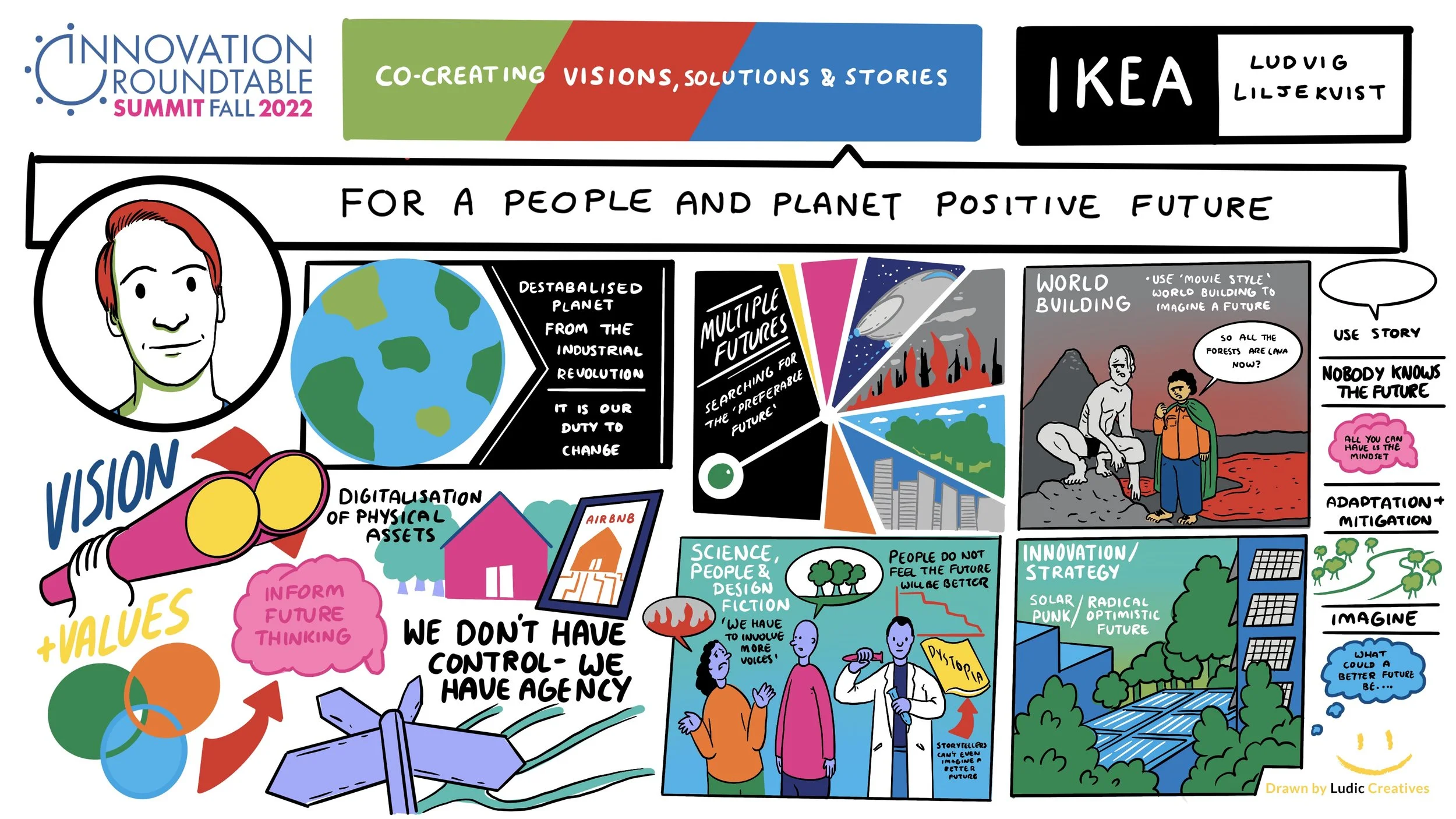
Strengthened Collaboration
Environmental work relies on cooperation between scientists, planners, designers, activists, local governments, and communities. Live scribing maps these perspectives in real time, showing how each contributes to the overall strategy. This helps teams identify gaps, opportunities, and points of alignment more quickly.
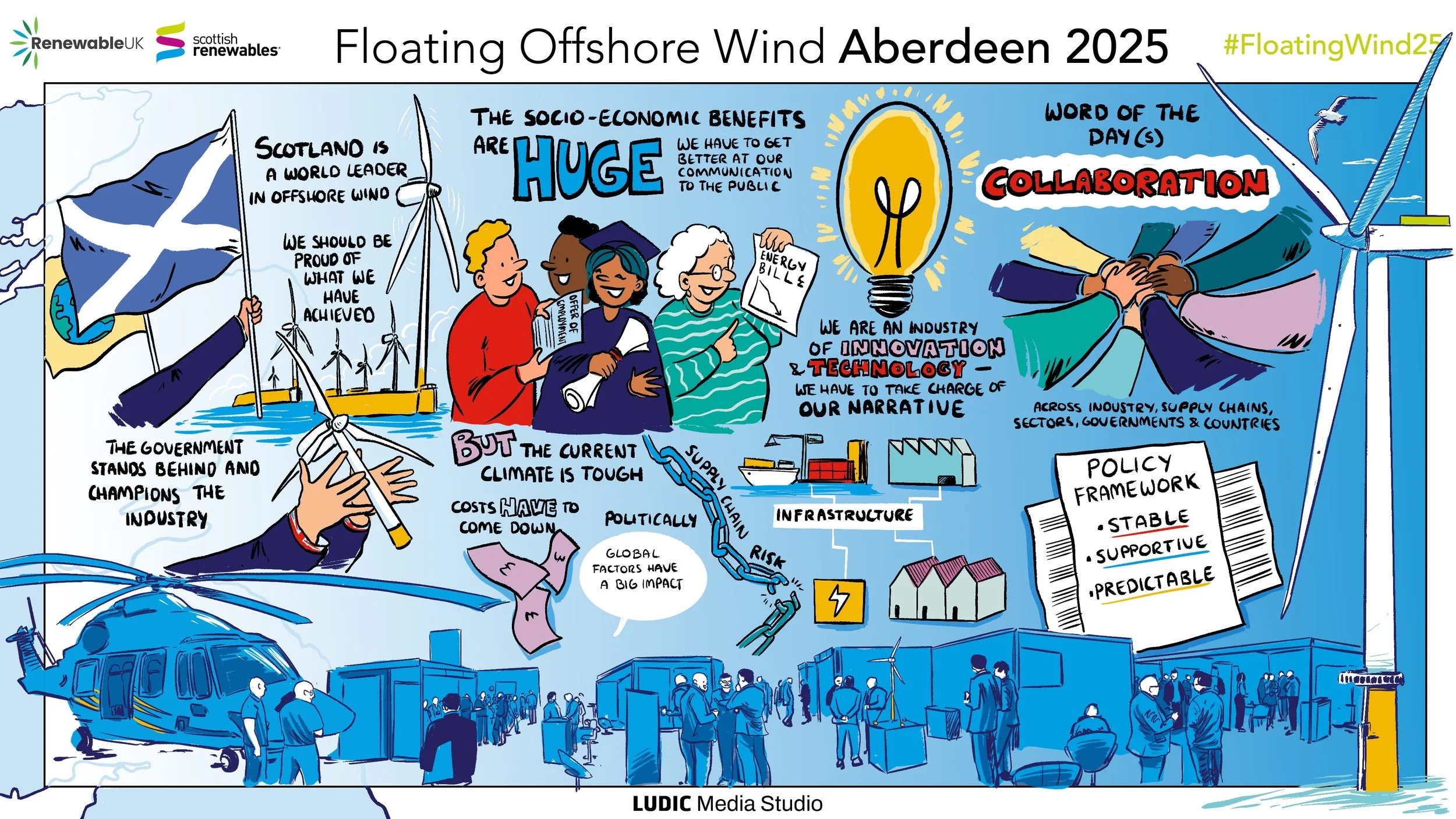
Policy briefs and reports
Public awareness campaigns
Educational materials
Instant knowledge capture
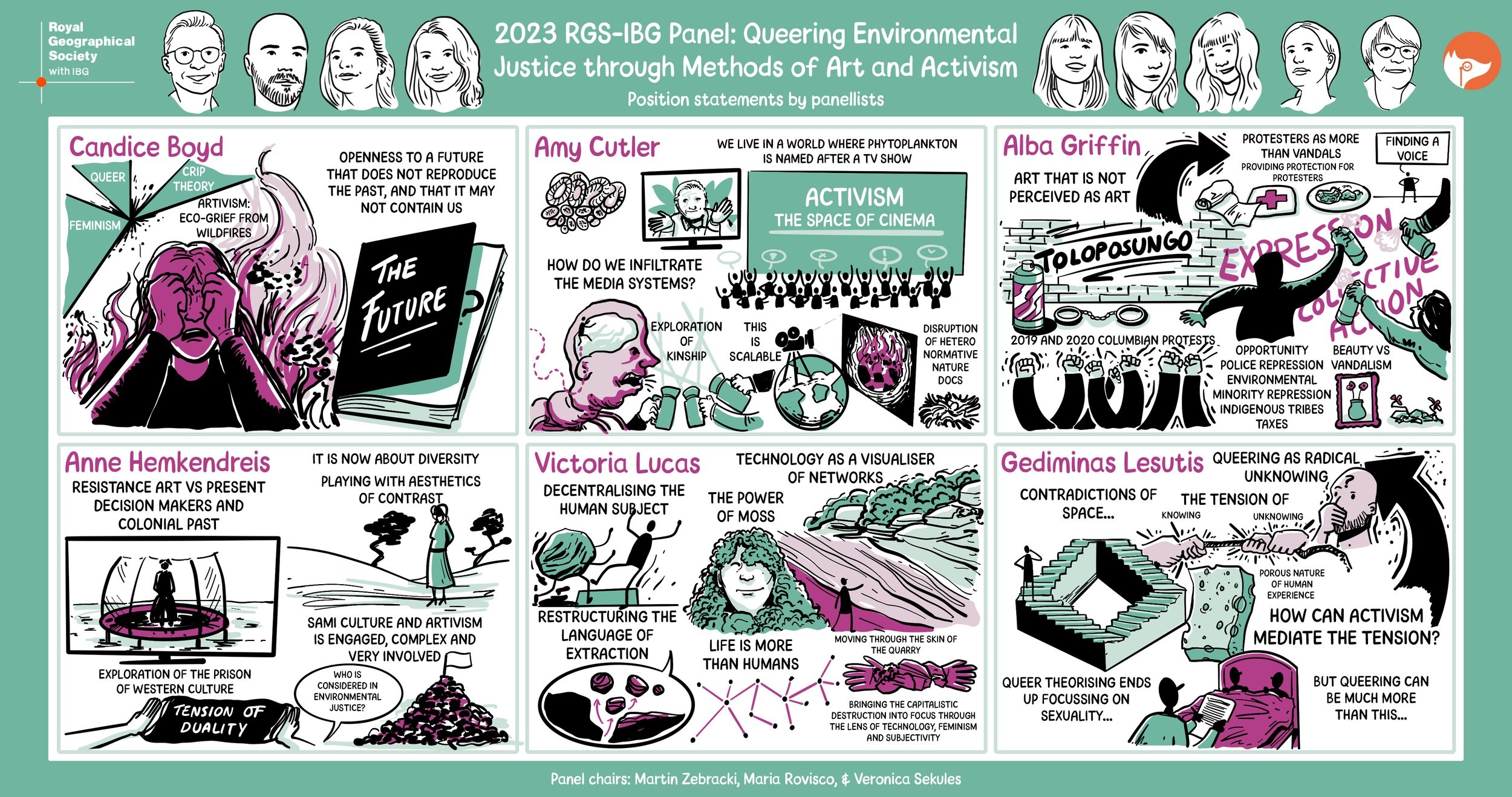
Stakeholder presentations
Internal strategy documents
Grant proposals
Greater Engagement in Workshops and Public Forums
Climate discussions can be long, detailed, or emotionally demanding. Live visuals keep participants focused and provide a shared reference point for complex topics.
They make stakeholder workshops, community engagement sessions, and interdisciplinary meetings more dynamic and inclusive.

Increased Accessibility for Diverse Audiences
Climate information can be intimidating or overwhelming. Visual communication breaks down barriers by presenting concepts in a clear, human centred way.
Live scribing supports public understanding, encourages participation, and helps ensure that all voices — not just technical experts — can contribute meaningfully.
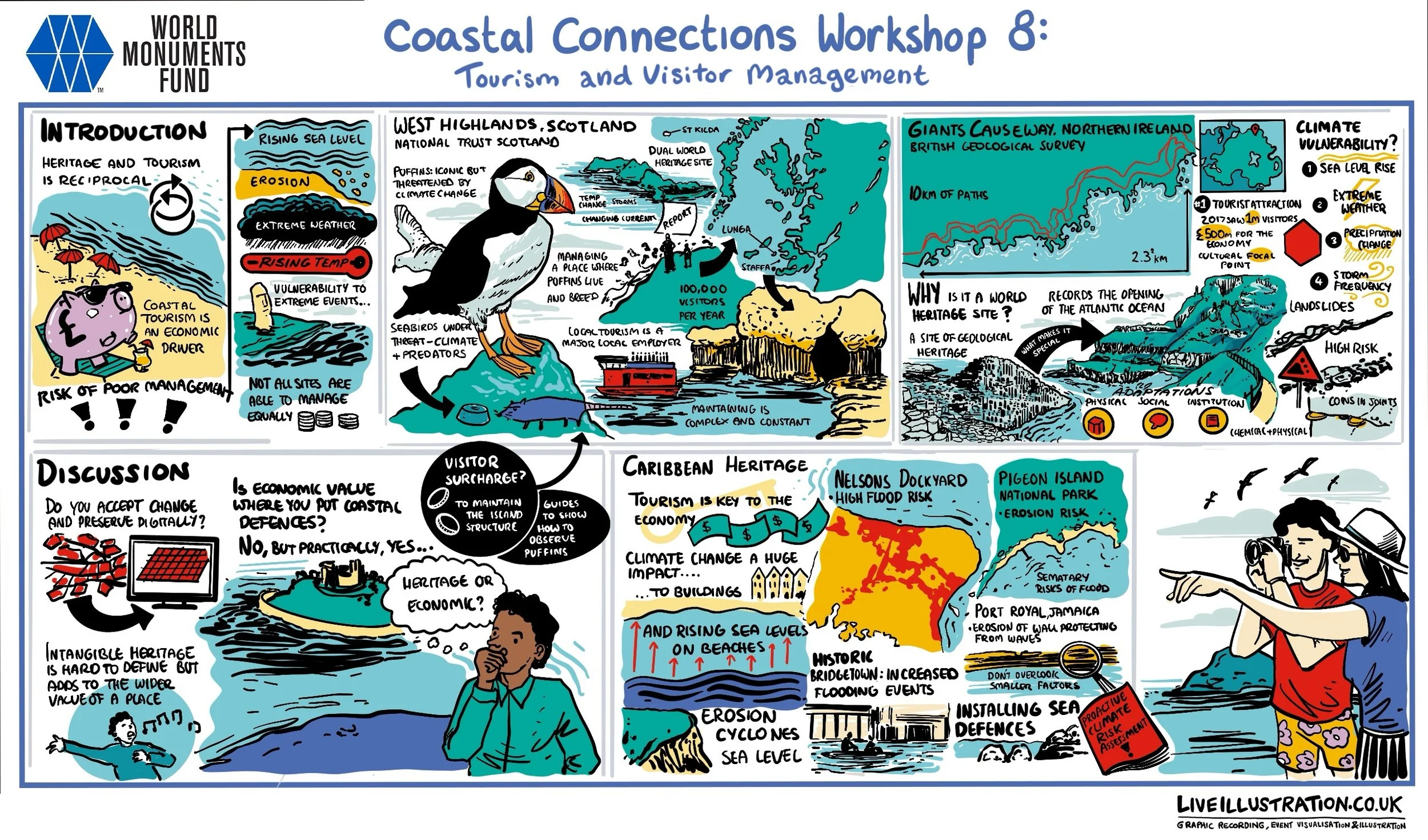
A Visible Record of Progress and Commitment
Climate initiatives often unfold over years. Live scribing creates a compelling visual archive that shows how plans evolve, decisions are made, and milestones are reached.
These visuals reinforce transparency, accountability, and organisational commitment to sustainable change.
How Live Scribing Fits Into Climate and Sustainability Work
Live scribing is valuable for:
Climate strategy meetings
Research conferences and symposiums
Public consultations and community workshops
Environmental education programmes
NGO and charity stakeholder sessions
Government and policy development meetings
Innovation labs and design sprints
Sustainability project planning and review sessions
It adapts equally well to scientific, policy driven, or community facing contexts.